

Featured Image by Photo by Ron Lach
Why does organic content matter on Instagram, especially for your business? For one, it is content that you’re not actively paying to promote. That doesn’t mean it should deserve any less attention than content you are boosting, quite the opposite. Organic posts are what help build your brand and keep your audience actively engaged. Organic posts are what help build your brand identity, foster community, and keep your audience genuinely engaged. Over time, that audience is most likely to share, comment, and engage with your content.
Goal: What’s Your Aim?
Before starting on any social media strategy, it is best to understand exactly what your goal is. Are you trying to grow your organic reach? Keep it the same? Increase brand awareness?
Every goal you make should be not just well thought out, but SMART. For your account and business size, what is considered a ‘good’ organic reach. And remember: organic reach expectations have changed. Where 10–20% used to be the norm, shifts in the algorithm now mean 5–10% is more typical.
While there is software that will give you this number, you can figure it out yourself using this formula:
Organic Reach Rate = (Organic Reach / Total Followers) × 100
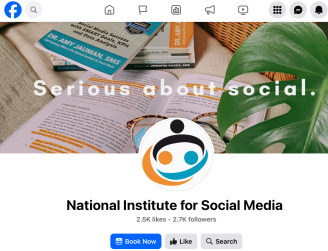
For example, the NISM Facebook page currently has 2.7K followers. If our goal was an organic reach of 10%, that would mean it was getting an organic reach of 270 per post.
Specifically Consistent:
“Be consistent!” is advice you’ve probably heard a hundred times. While that is certainly good advice, it seems a little… vague. What does that actually mean in practice? Let’s break it down into how specifically you should focus on consistency:
- How often you post: This may vary by platform. Instagram specifically has a relatively short shelf-life for posts (and 24 hours for stories), which encourages frequent posting. If you’re using a platform like LinkedIn, however, be aware that you may not need to post as often because your content could still show up in someone’s feed days later.
- When you post: Use Instagram Insights to determine when your audience is most active, then build your content calendar around your peak engagement times.
- How often you respond: In your strategic plan or policy, you should outline how quickly someone should respond once they have commented on your post. Does someone reply within a few hours? A day? It can differ based on the type of comment (positive feedback vs. a complaint), but consistency here improves trust and engagement.
Keep an Eye on Your Competition:
Why don’t you take a peek over the digital fence? It is super important to keep up-to-date with what your competition is doing. What kind of content are they posting, and how are their customers responding? Studying what works (and what doesn’t) for others in your niche can help you avoid missteps and capitalize on winning trends.
Content
What you post matters just as much as how often you post it. Yes, high-quality visuals are a must, but let’s go deeper:
- Value-add: In what way is your content benefiting your customer? At NISM, we believe in the 80/20 rule (only 20% of your content should be selling something, the rest should be a ‘gift’ for your audience). Providing value for your customers comes in many different forms. It spans from sharing things that will make their lives easier to posting something that makes them laugh, but there needs to be an emotional connection for them to keep following and interacting.
- Video is vital: I won’t tell you to throw away photos, infographics, or carousels (as long as they are polished). In all honesty, you should be posting a variety of content and taking advantage of Instagram’s different posting sizes. That being said, videos certainly seem to be the name of the game. All social platforms are pushing short-form video content, and Instagram Reels are a great way to ride that wave.
- Hashtag correctly: There is currently some debate over the effectiveness of hashtags, so pay attention to which platform you’re using. Instagram has a 5 hashtag limit, for example. When used correctly, however, they can expand your reach, connect you with niche communities, and help Instagram’s algorithm understand where to serve your content. Choose ones that are relevant (like #SocialMediaMarketing), specific (like #NISM or #SMS), and reflective of your brand voice.
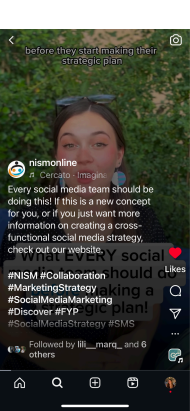
Creating strong organic content on Instagram isn’t just about keeping up appearances. It’s about showing up for your audience in a way that builds trust, community, and long-term growth. Whether you’re fine-tuning your posting schedule or experimenting with trial reels, small, consistent steps can make a big impact.
Follow along for some real examples of organic content on our Instagram @nismonline!

Author Bio:
Cassandra Hultgren was an intern at the National Institute for Social Media, where she gained experience in social media strategy and began pursuing her Social Media Strategist certification. She graduated from Luther College in 2024 with a degree in Communications and French, which means she can explain a branding campaign and order croissants correctly. Now based in sunny Arizona, when she’s not crafting content or juggling hashtags, she runs a coloring book business and explores her love for all things visual communication—markers and metrics included.
0 Comments