

Featured image by Tara Winstead
Introduction
Social media gives us an endless stream of data, but not all of it is equally valuable. Metrics such as likes, shares, and impressions can show how a post performs on the surface, but they do not always tell the whole story. During the NISM webinar Metrics that Matter, Patricia Diaz, SMS, put it bluntly when she said, “To hell with vanity metrics!”. Surveys are one of the best ways to dig deeper than the surface numbers. They give you the context and direct understanding of what people think and feel that statistics alone cannot provide. When used alongside analytics, surveys can turn raw numbers into a much clearer and more actionable picture.
Before Social Media Metrics, There Were Surveys
Marketing research has been around for over a century, long before anyone could measure likes or impressions. According to Drive Research, the 1920s marked the beginning of formal market research when companies began going door-to-door to ask people about what they bought and how they responded to advertising. This early work was basic but groundbreaking, focusing on simple awareness and recall.
By the 1930s and 1940s, surveys became more structured and started to rely on sampling methods to make the results more accurate. The mid-20th century brought new tools such as focus groups, which allowed researchers to go beyond just what people were doing and learn more about why they were doing it. These decades of innovation established surveys as one of the most reliable ways to understand an audience, making them a role that remains just as relevant in marketing today.
Turning Opinions into Strategy: The Benefits of Using Surveys
Surveys are more than a data collection tool; they’re a strategic asset. The insights they provide help businesses understand their audience, refine their messaging, and build stronger customer relationships over time. According to NISM’s Research and Analysis textbook, surveys have multiple benefits. We’ve listed some of them below:
One of the biggest benefits of using surveys in your social media strategy is that they offer a clearer view of your target market. When you collect and analyze customer data consistently, it becomes easier to position your brand and communicate in a way that resonates. Surveys help ensure your content stays relevant not only to your current audience but also to potential new customers as your market evolves.
Consumer preferences are always changing. The people who made up your target market a year ago might not be the same ones who are engaging with your brand today. By using surveys to track trends, buying behaviors, and preferences, you can keep up with those shifts and make decisions based on real-time feedback.
Surveys also support relationship-building. When customers feel that a brand understands their needs and listens to their feedback, they are more likely to stay loyal. Asking the right questions through a survey can help identify pain points and allow your business to respond before a problem escalates. Even negative feedback can become an opportunity when it’s used to improve the customer experience.
Finally, customer data from surveys such as demographics, buying habits, and preferences can be used to personalize your approach. Whether it’s tailoring your content, adjusting your product offerings, or refining your tone, surveys provide the kind of insight that helps marketers meet their audience where they are.
Three Survey Platforms Worth Trying
Not all surveys need to be complicated to be effective. Many online tools make it simple to create, distribute, and analyze surveys, even if you do not have a research background. The three platforms below are popular options that can help marketers collect feedback quickly and in a way that fits their goals and budget.
SurveyMonkey is easy to use and offers templates, logic features, and strong analytics. It is a good choice for marketers who want professional-quality surveys without needing advanced technical skills.
Qualtrics is designed for advanced research and is commonly used by universities and large organizations. It offers more powerful features, detailed analytics, and integrations, although it may be more than a smaller team needs.
Google Forms is a free option that is simple and convenient. It is best for quick and basic surveys. Responses can be easily exported to a Google Sheet for analysis, making it a practical starting point.
Polls on Social: Fast Feedback from Your Audience
Most social platforms now include built-in ways to gather feedback. These features may not be as detailed as a traditional survey, but they can be effective for quick insights and higher engagement. As PointerPro points out, using polls and surveys on social media can help brands connect with their audience, get immediate reactions, and adjust content based on that input.
Instagram Stories
Polls and question stickers in Instagram Stories let you ask questions in a more casual and interactive way. They work well for quick preference questions like “Which design do you prefer?” or “Would you try this product?”

LinkedIn Polls
LinkedIn Polls are a simple tool for professional audiences. They are useful when you want to ask industry-related questions, gauge opinion on a topic, or collect input from a business-focused audience.
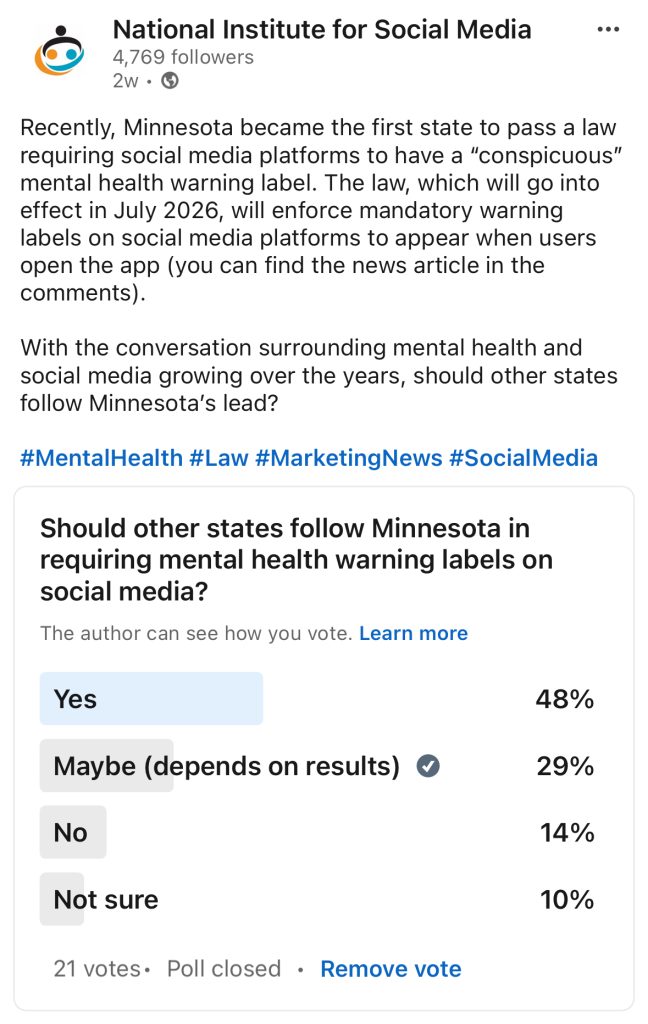
Facebook Group Polls
Facebook Polls work well within groups and community spaces. They encourage discussion while helping brands gather quick feedback from highly engaged followers.
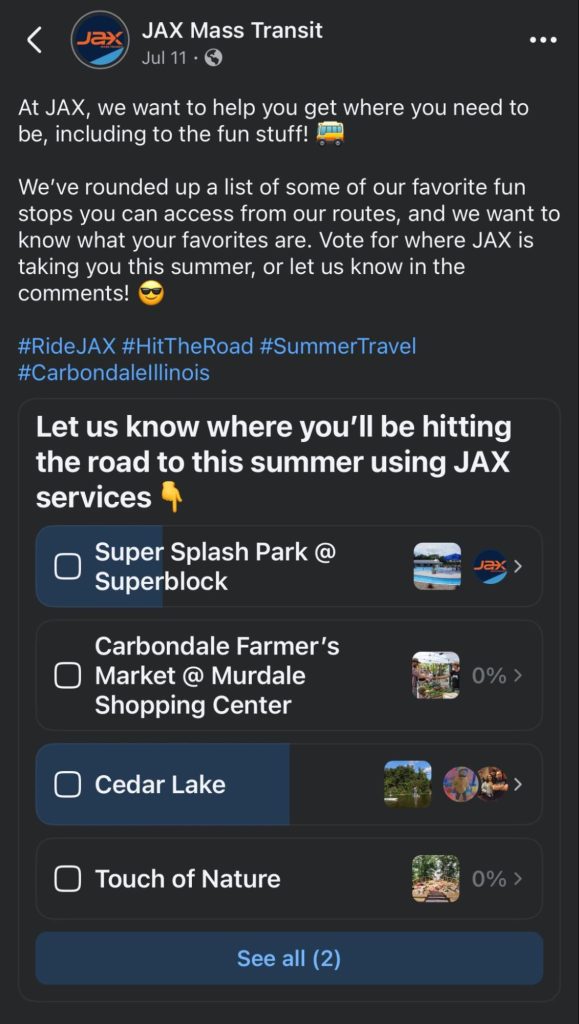
Conclusion
Social media produces an incredible amount of data every single day. Likes, comments, and shares tell us a lot about user behavior, but they only reveal part of the picture. What these metrics often do not reveal is why people behave the way they do.
Surveys fill in this gap. By intentionally asking questions, tracking customer opinions, and inviting open-ended feedback, brands can get a much clearer view of their audience. When survey insights and social analytics are used together, they give marketers both breadth and depth.
In today’s digital world, traditional surveys still matter. They allow brands to go beyond surface-level engagement, understand the reasoning behind user behavior, and build stronger, more thoughtful strategies. Whether you use detailed tools like Qualtrics or quick polls on Instagram, asking the right questions is still one of the smartest things a marketer can do.

Author Bio:
Kassity Lee was a 2025 Social Media Strategist Intern at the National Institute for Social Media. A senior at Southern Illinois University Carbondale, Kassity is a dual Marketing and Journalism major with a specialization in Advertising. Kassity is passionate about marketing strategy and utilizing the power of human truths to craft effective campaigns. In her free time, Kassity can be found hanging out with her cat Bug, playing video games, and occasionally catching a local basement show with her friends. You can find her on LinkedIn here.
0 Comments