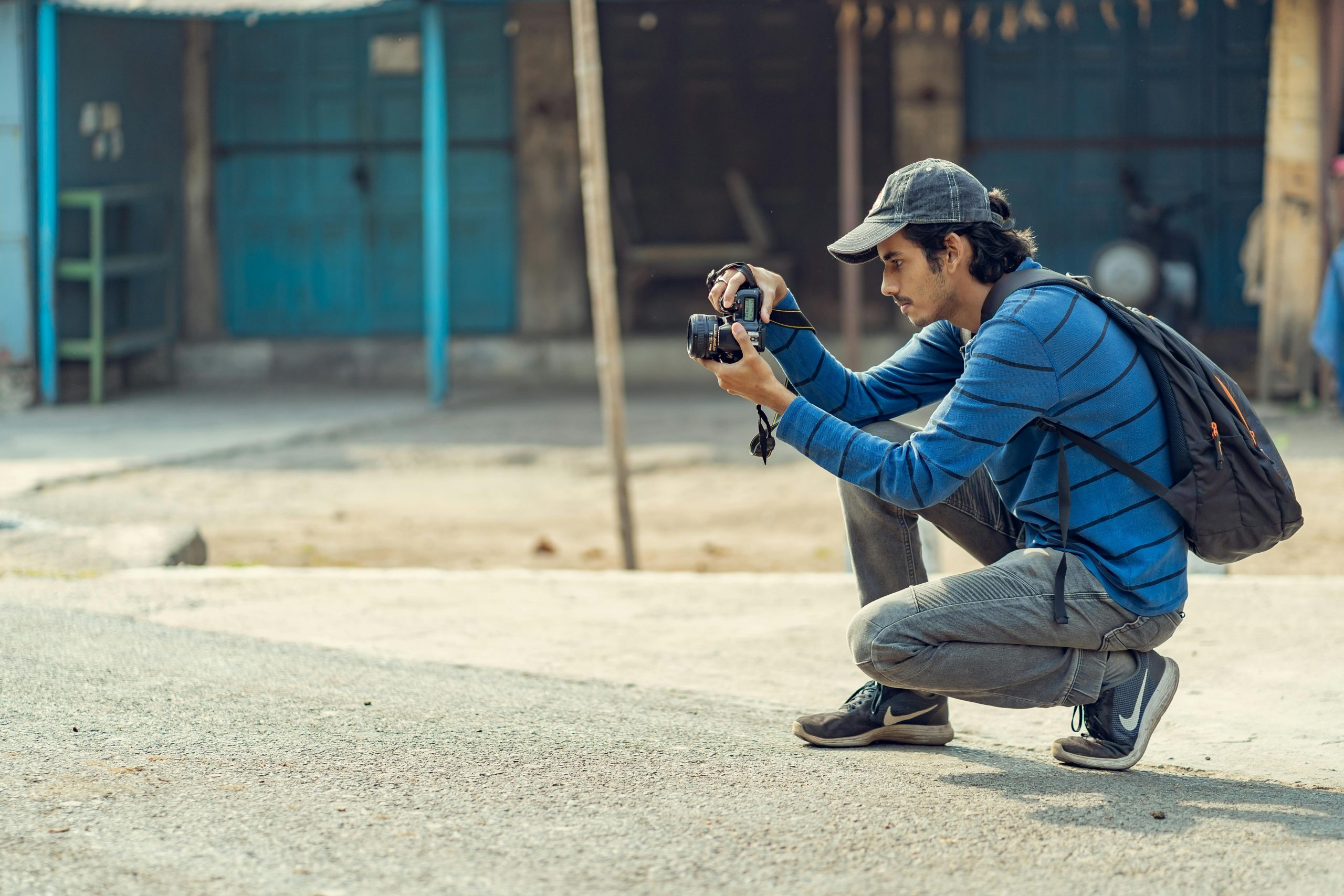
Featured image by Arnav Pratap Singh
Have you given much thought to your likeness rights? If not, imagine this: You’re driving down the highway when a billboard catches your eye. It’s an ad for a fancy new restaurant, nothing unusual. But then you do a double-take: they’ve slapped your face behind a plate of pasta.
Sounds illegal, right? That’s because it is.
Using someone’s image or likeness to promote a brand without their permission violates what’s known as the Right of Publicity (ROP). This is the legal right that protects individuals from the unauthorized commercial use of their name, image, voice, or other recognizable aspects of their persona.
Understanding ROP is essential if you work in digital marketing — especially in social media, where trends often involve using video or audio clips of celebrities (like that viral Timothée Chalamet interview). If you use a celebrity’s likeness to promote your brand without permission, you could be looking at a lawsuit.
ROP vs Copyright vs Trademark
Let’s break it down:
- Copyright protects original creative works—from iPhone photos to TikTok dance videos. Essentially everyone is a copyright owner. You don’t have to register it to have rights; the moment you create something, it’s yours. It grants you the right to decide if and how your work gets distributed. While you can register for copyright with a verifiable government source, you don’t have to for your work to be covered by copyright.
- Trademarks can be any word, phrase, symbol, design, or combination of these things that identify your goods or services. They are registered with the United States Patent and Trademark Office. It is important to point out that many celebrities – whose face/voice/look is their brand – will choose to register their likeness as a trademark, as an additional protection to the ROP.
So while all three protect something, ROP is personal—it’s about you (or a public figure) being in control of how your identity is used.
No One Wants a Court Date
Still tempted to bend the rules? Here are a few cautionary tales of what not to do:
- Michael Jordan sued a grocery store chain for $8.9 million after using his photos in an ad/coupon without permission. He donated all the money to charity.
- Bette Midler was a classic “Impersonator Case”. After declining to work with Ford Motor Company, Midler sued them for finding another singer who impersonated her singing voice. She received $400,000 in 1988 (a payout worth roughly $1 million today).
- Street Artists Bates and NEKST sued fashion brands Guess Inc. and Macy’s for using their street tags on clothing without their permission. Street tags are tied to the artist’s identity, and they are claiming using their tags made them seem like “corporate sellouts”.
What To Avoid as a Social Media Marketer
Before you post anything, make sure:
- You’re not using a celebrity’s face, voice, or name to promote something they haven’t approved.
- You’ve blurred someone’s face if you took a photo of them and didn’t get their permission to post.
- If there is sound or music, it couldn’t be mistaken as the voice of a celebrity or well-known person.
Important reminder: Just because someone was using your product in public, it doesn’t give you immediate permission to post a picture you took of them. The only times that likeness usage is permitted is under the First Amendment and covers artistic expression or if something is “newsworthy” – this immediately goes away if you are promoting a product in any way.
AI and Likeness
As AI continues to evolve, so will the way likeness is used without permission. Recent examples of this include an “Impersonator Case”, where OpenAI revealed a short film using a chatbot voice called “Sky”. The voice sounded eerily similar to Scarlett Johansen, who had refused to record her voice for it. Johsnasens lawyers contacted OpenAI, and the voice has since been taken down.
Another example is how Trump posted “Swifties for Trump” photos, including AI images of Taylor Swift, on his Truth Social Account. While Swift did not bring this case to court as it would likely have been argued as satirical (which is protected by the right to free speech), it is a topical example of the use of unapproved likeness in social media.
It will be interesting to see how AI laws and protections continue to develop. As of 2024, there is the Ensuring Likeness, Voice, and Image Security (ELVIS) Act, which expands the state’s ROP to artificial intelligence services, internet platforms, and other technology companies that use artists’ voices and likenesses. There will undoubtedly be more acts put in place by other states regarding ROP and AI as time progresses.
Bottom line:
If you wouldn’t want your face next to a plate of pasta without asking first, don’t do it to someone else, especially not to someone with a legal team. This is just one aspect of compliance and governance when it comes to social media, but it’s important to consider before you post.
*Please note: I am not a legal professional and therefore am not giving legal advice, simply sharing my interpretation of the laws and past court cases. Consult your legal counsel whenever appropriate.
Author Bio:
Cassandra Hultgren was an intern at the National Institute for Social Media, where she gained experience in social media strategy and began pursuing her Social Media Strategist certification. She graduated from Luther College in 2024 with a degree in Communications and French, which means she can explain a branding campaign and order croissants correctly. Now based in sunny Arizona, when she’s not crafting content or juggling hashtags, she runs a coloring book business and explores her love for all things visual communication—markers and metrics included.
0 Comments